Spay and Neuter Surgery in Poulsbo
For most pets, a spay or neuter is the first time they'll ever go under anesthesia.
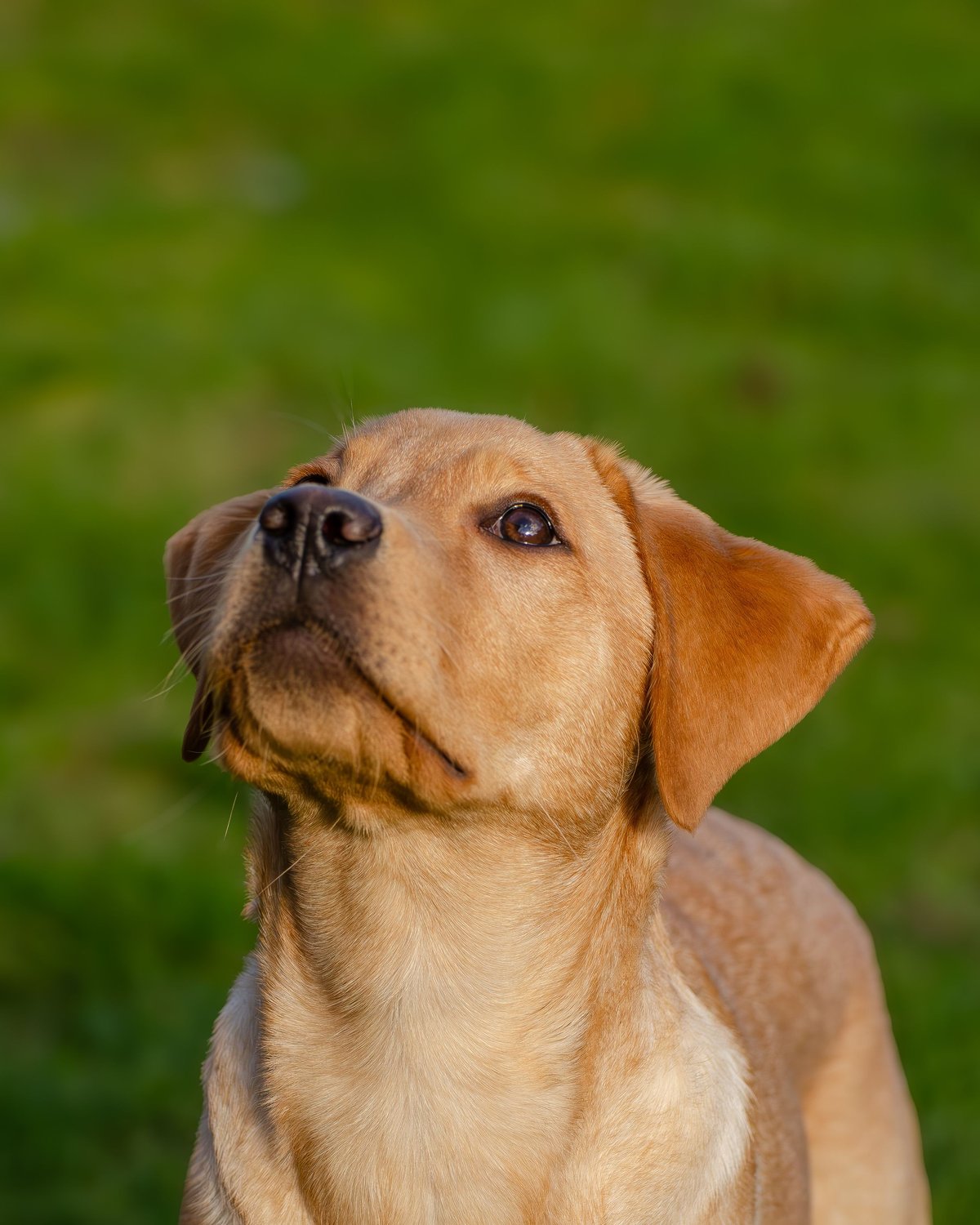
For most families, it's the first time handing them over at the front desk and driving away. You're placing your trust in us to keep your pet safe, and we take that seriously.
Why should I spay or neuter my pet?
Spaying and neutering started as a way to prevent litters, but most of what it does for your individual pet is medical and behavioral.
For females, spaying prevents pyometra, a life-threatening uterine infection that becomes surprisingly common in older unspayed dogs and cats, and it lowers the risk of mammary tumors, with the strongest protection when the spay happens early in life. For males, neutering removes the possibility of testicular cancer and reduces prostate problems later in life.
The behaviors that fade are the ones hormones were driving: marking, mounting, roaming after a scent, the yowling misery of a cat in heat. Everything you actually like about your pet is unaffected. Affection, playfulness, and personality don't come from the reproductive organs, and your pet will be recognizably themselves on the other side of surgery.
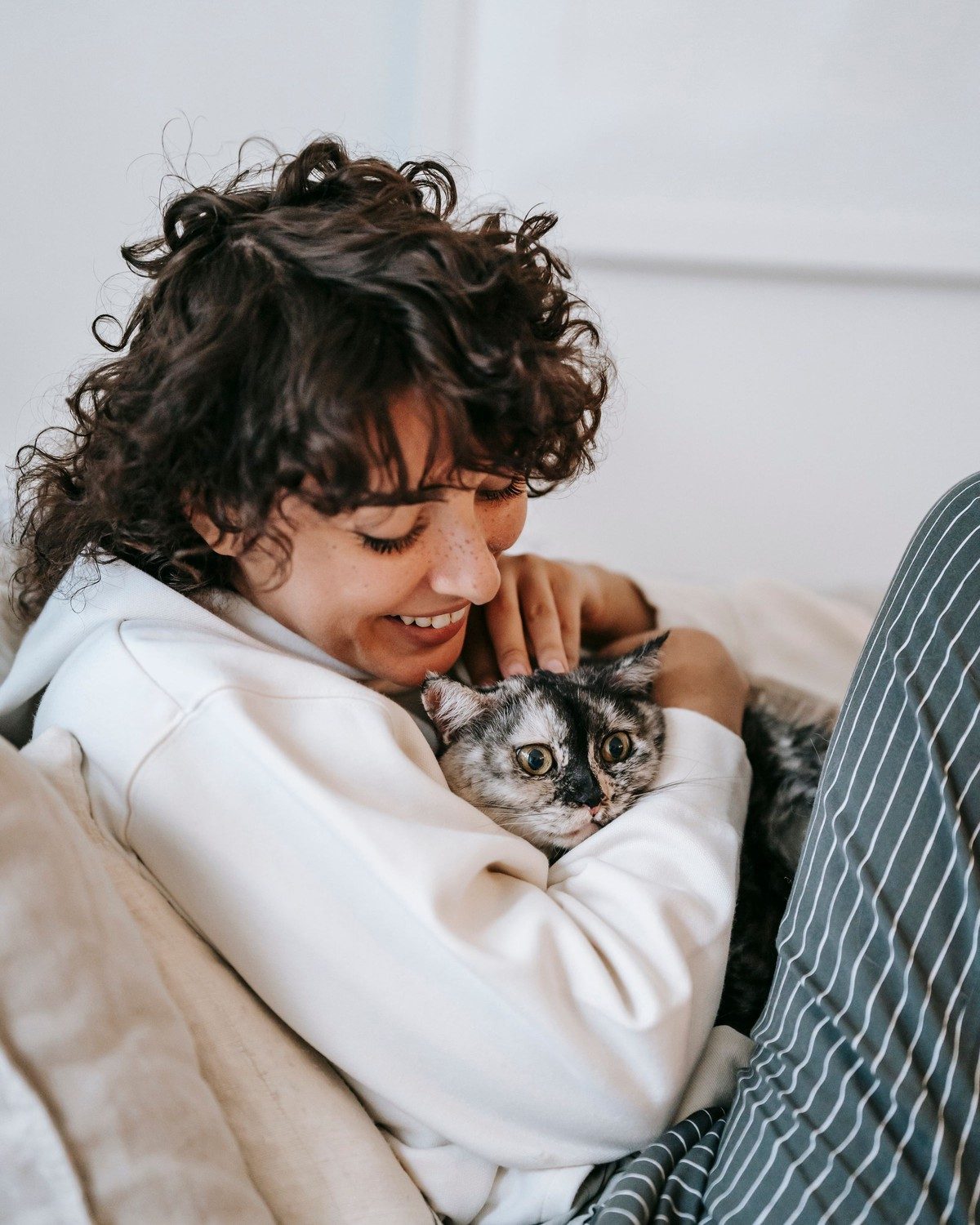
The best age for surgery depends on your pet
If you've looked this up online, you've probably found a lot of opinions. That's because the honest answer to the question, “When should I spay or neuter my dog or cat?” depends on the pet.
For most cats and small dogs, we generally recommend spaying or neutering around four to six months of age, before the first heat cycle in females.
For large and giant breeds, we individualize. There's growing evidence that letting a big dog progress toward skeletal maturity before surgery protects developing joints, so a Great Dane's timeline looks different from a terrier's. We'll weigh breed, expected adult size, health, and lifestyle with you and land on timing together, rather than applying one age to every patient. This conversation is a part of all our puppy and kitten visits.
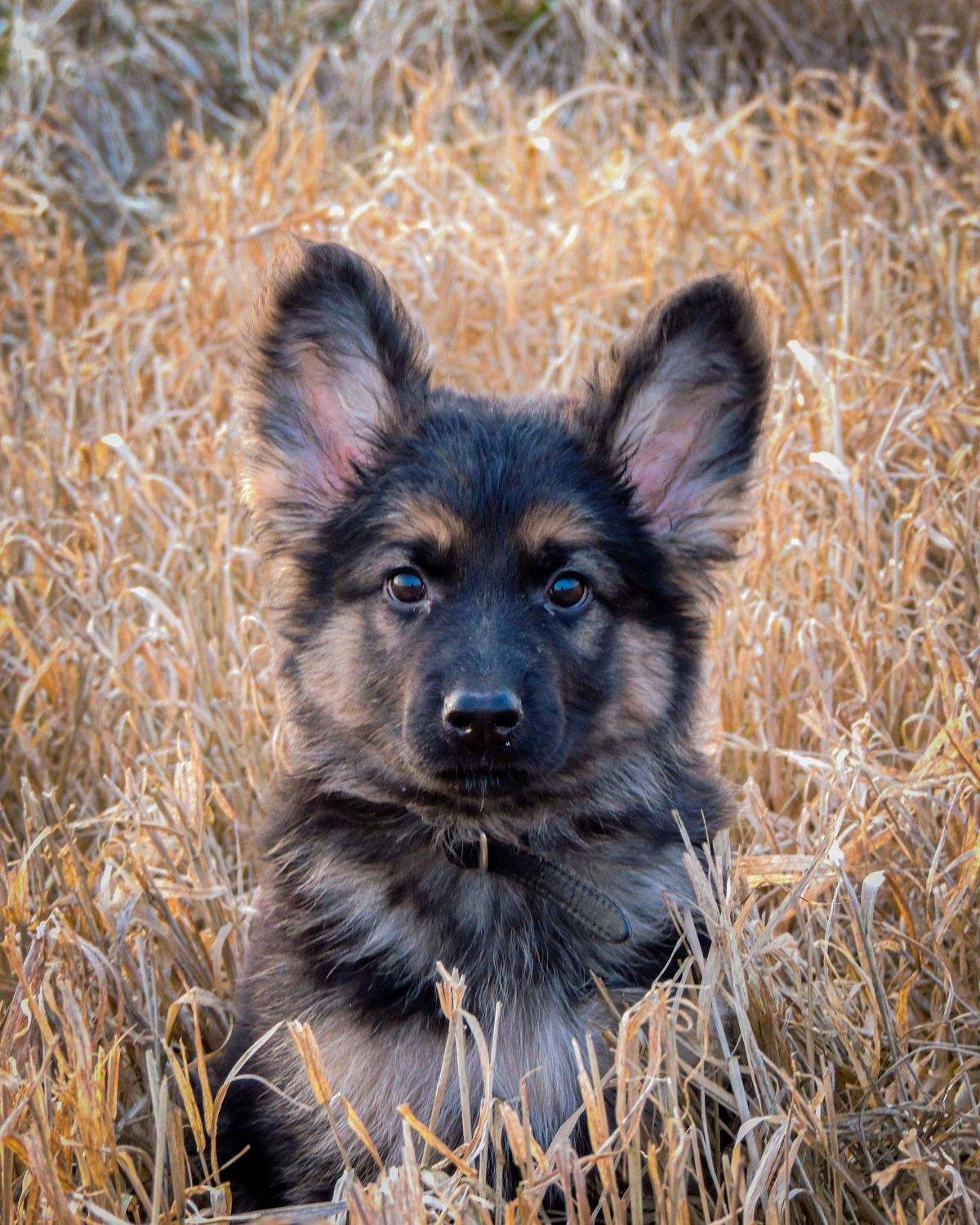
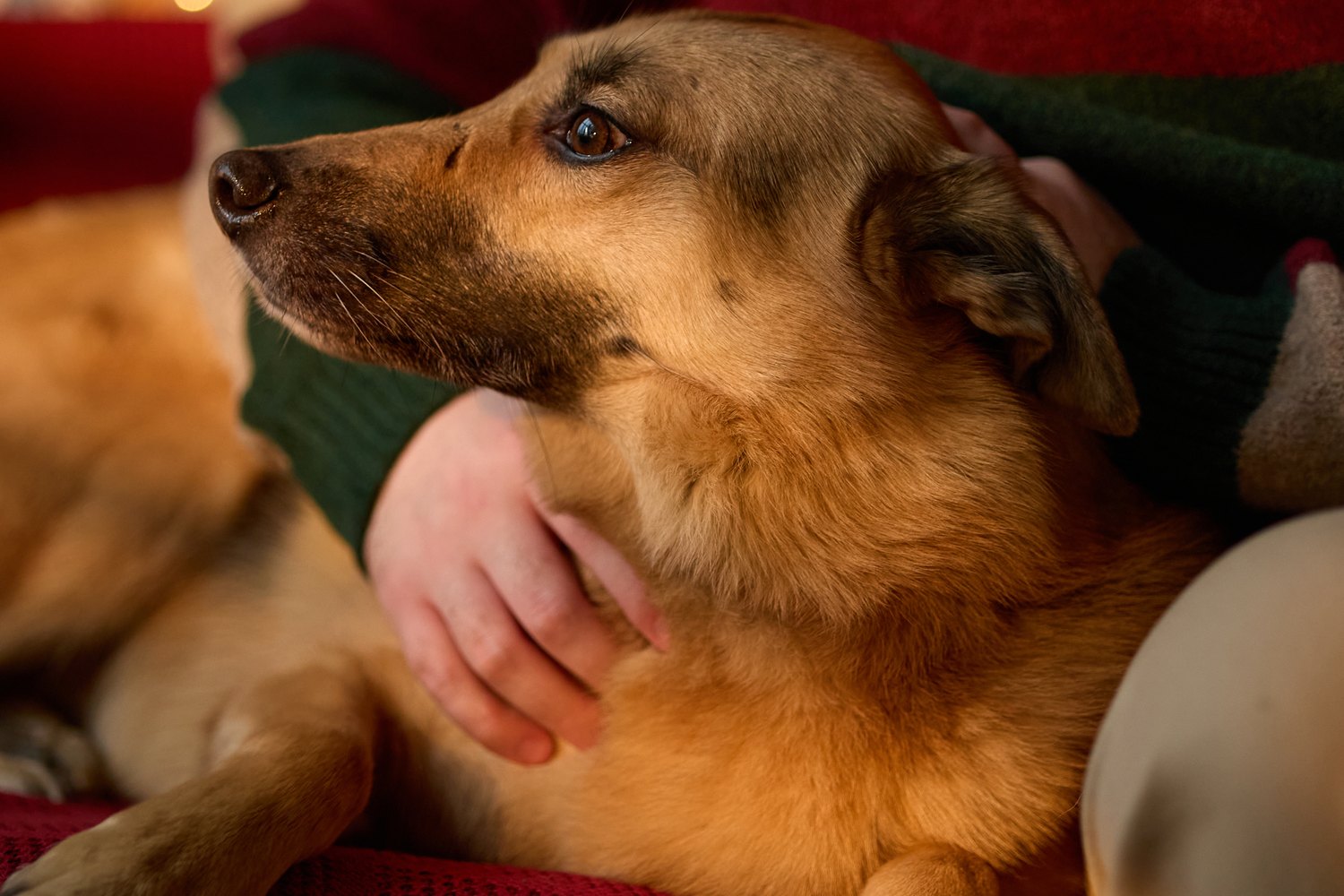
What surgery day looks like
You'll get fasting and preparation instructions ahead of time, so there's no guesswork the night before.
At drop-off, you won't just hand over a leash. A team member sits down with you, reviews the plan for the day, and answers whatever questions are still on your mind. Once your pet is out of surgery and safely settled in recovery, we can call or text you an update, because we know you're watching your phone and worrying.
At pickup, you'll go home with written discharge instructions covering medications, incision care, activity restrictions, and exactly what to watch for while your pet heals. If something looks off, you'll know whether it's normal and what to do about it.
Anesthesia is the part families worry about most, and that concern is normal. Our hospital purposely stays low-volume so we can take our time with every patient. No rushing, no quotas to fill, just focusing on your pet and their safety.
Every spay and neuter patient at Clifton Hollow receives pre-anesthetic bloodwork, so we know how the liver and kidneys that will process the anesthetic are working before we choose the drugs. Protocols are personalized to your pet’s age, breed, size, health conditions, and procedure. Every patient gets an IV catheter and fluids, keeping them well hydrated and giving us instant access if anything needs adjusting, and a breathing tube protecting the airway throughout.
During the procedure and through recovery, a dedicated team member has one job: your pet. They're tracking oxygen saturation, blood pressure, ECG, heart rate, and breathing continuously, which means a change gets noticed and answered in the moment, not discovered afterward. That same person is with them while they wake up, making sure they aren’t in pain or frightened while the anesthetic medications wear off.
Combining procedures with a spay or neuter
Since your pet is already under anesthesia, some things are worth doing at the same time.
Depending on the patient, we can combine a spay or neuter with a microchip, a nail trim, removal of a retained baby tooth, repair of an umbilical hernia, or a gastropexy for breeds at risk of bloat. Each one is discussed and authorized with you in advance, and we can create a plan together during their wellness and preventive care visit.
How much does it cost to spay or neuter my pet in Poulsbo?
These are our current estimated ranges for standard procedures as of August 2026. The prices you see are the whole thing: the exam, IV catheter, anesthesia, the surgery itself, monitoring, pain medication, and an e-collar. Pre-operative bloodwork is an additional charge and is not included in the procedure prices. If you compare quotes, ask what's included in the price, because a lower price that doesn’t also include medications or the exam isn’t actually a better price.
| Patient | Spay | Neuter |
|---|---|---|
| Cats | $500–$675 | $400–$470 |
| Dogs, under 25 lb | $700–$750 | $600–$700 |
| Dogs, 25–50 lb | $750–$850 | $630–$760 |
| Dogs, 50–75 lb | $800–$900 | $700–$820 |
| Dogs, 75–100 lb | $850–$950 | $750–$850 |
| Dogs, 100 lb and above | $950+ | $800+ |
Situations that can add to the cost:
Surgical surcharge for pets in heat or over 6 months old: $50–$125
Dogs and cats.
Retained testicle: $50–$175
Cats.
Pregnancy: $125–$175
Retained testicle in the abdomen: about $300
Dogs.
Pricing can also vary with species, sex, size, age, pre-anesthetic testing, and other needs specific to your pet.
Surgical time and medication needs scale with size, which is why the ranges are broken out by weight. Adding services, like a hernia repair, baby tooth removal, or gastropexy, will also change the cost. Every patient receives an individualized written estimate before anything is scheduled and our team is happy to answer any questions you may have.
Recovery at home after surgery
Most pets are back to themselves within a day or two, which turns out to be the hard part. The incision needs 10 to 14 days of rest, while your pet would prefer to return to their normal zoomie routine. The basic after-surgery recovery guidelines are the same for most pets, but the discharge instructions you’ll receive will go over everything in detail.
Pain management:
You'll go home with an individualized pain-control plan that depends on your pet's species, age, and health conditions. We may also send home trazodone, which takes the edge off just enough to make rest achievable for a young dog who feels fine and is going stir-crazy. If you think your pet is in pain at home, just tell us, and we can adjust the plan to make sure they are comfortable.
Keep the cone on:
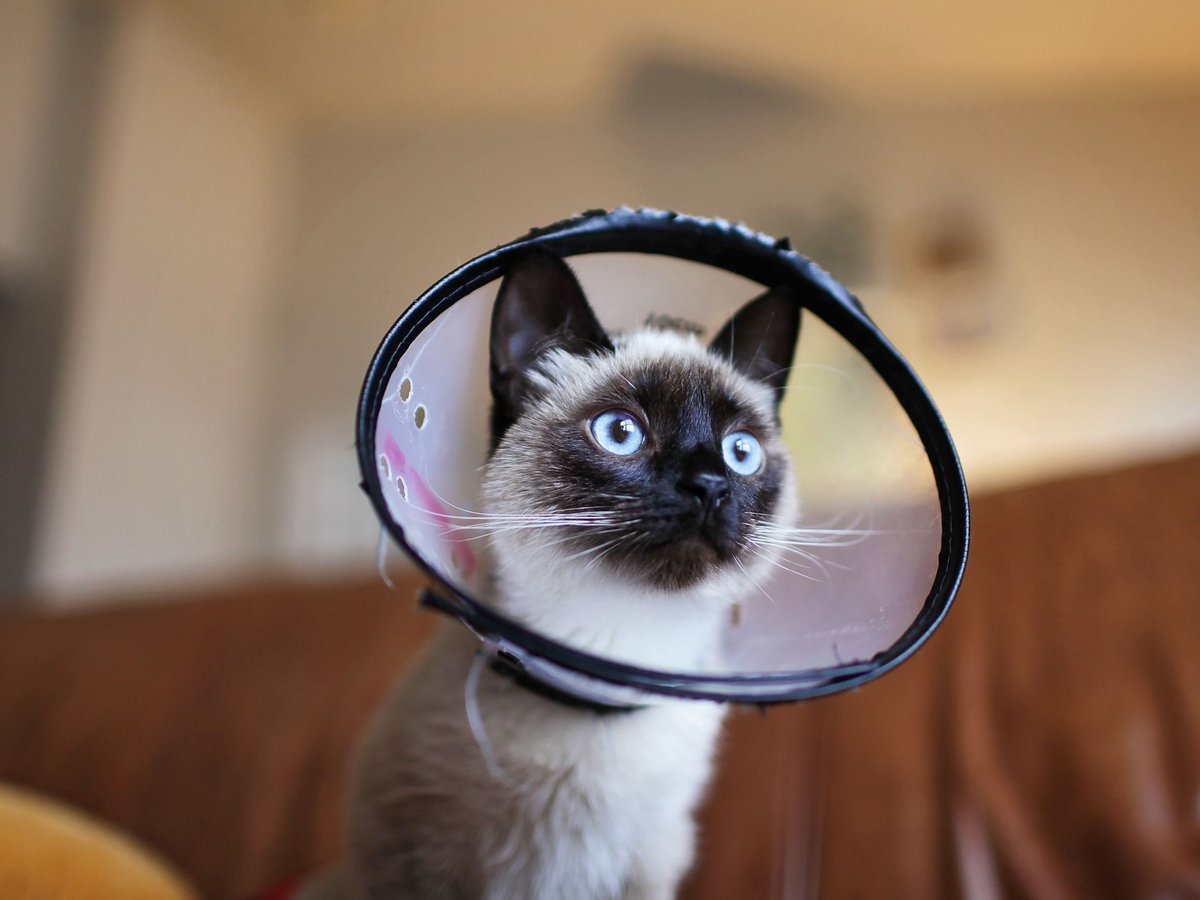
The e-collar, or cone, matters more than anyone expects. The most common recovery problem we see is the cone coming off too soon, and even a short session of licking can turn a healing incision into an irritated one, an infected one, or an open one that needs another surgery to close. Keep it on as directed, including at night. We know it’s not fun for anyone, but your pet will forgive you.
Rest and relaxation:
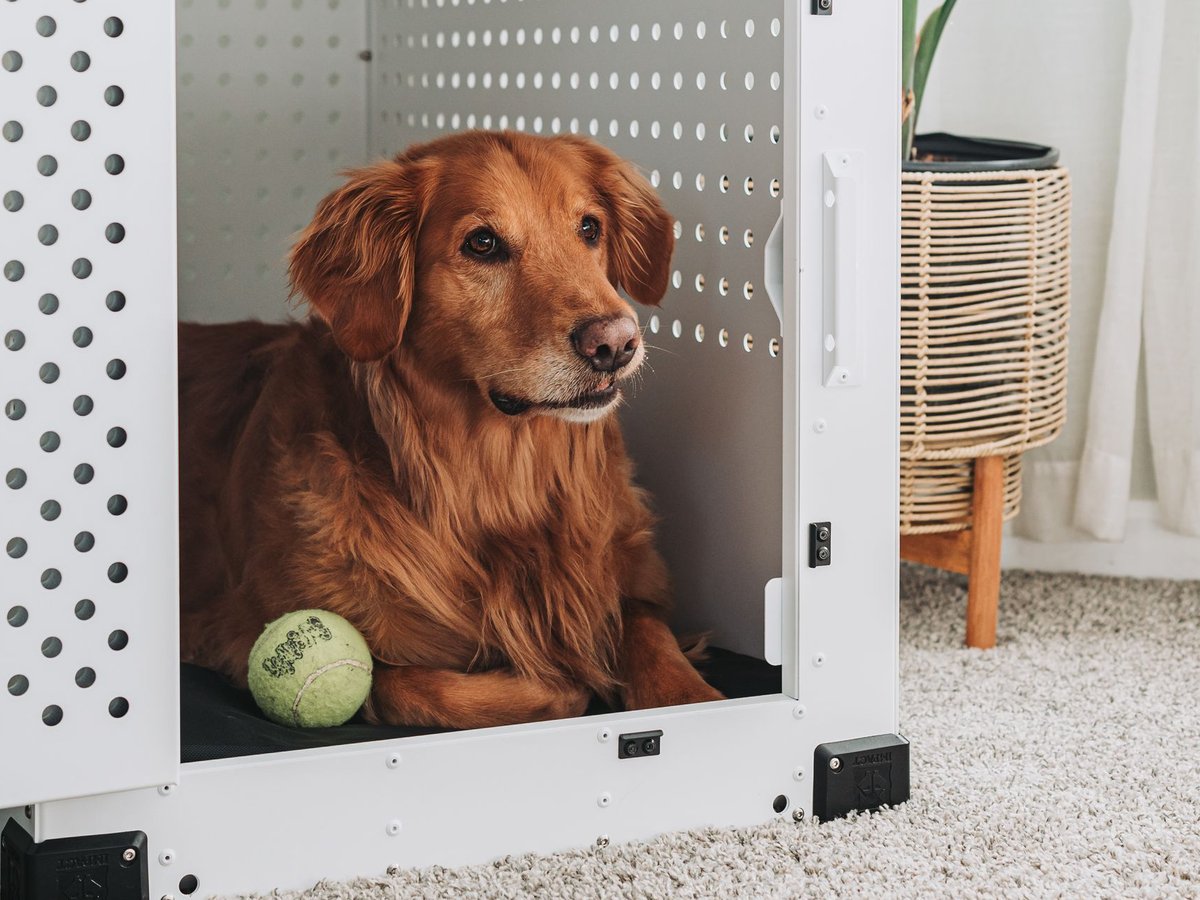
Your pet should be kept in a crate, small room, or on leash while they recover. Short leashed walks are fine for bathroom breaks. Your pet has sutures internally and in the skin, and the only way for those to heal properly is for your pet to rest. No jumping on furniture, no running, and no wrestling matches. Too much activity can re-open incisions, delay healing, and cause fluid to build up around the surgical site.
What’s normal after surgery:
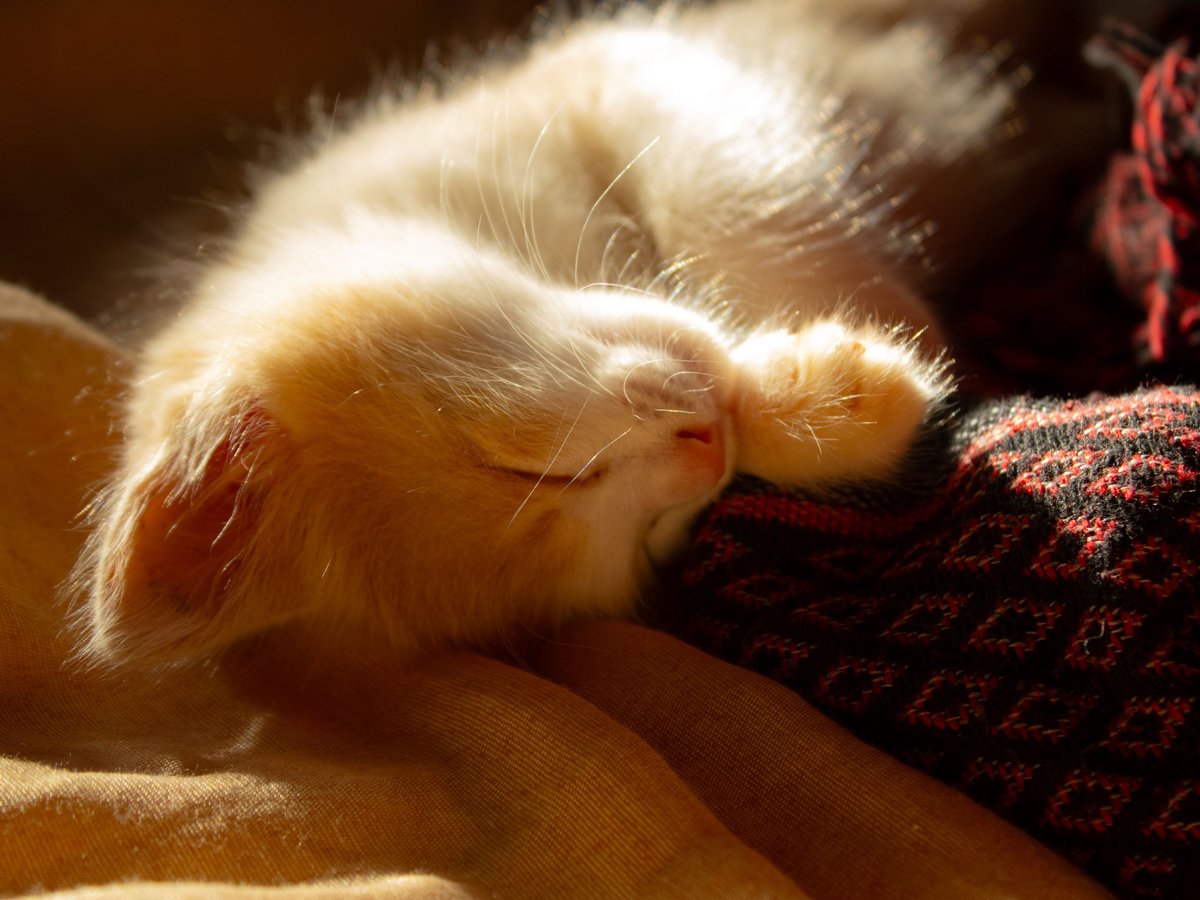
It’s typical to be a little groggy and whiny for a day or two after surgery. Your pet may want to return to their normal routine of meals, play, and climbing on the couch right away; it’s up to you to keep them safe.
- Offer small amounts of water and small snacks rather than a whole bowl of water and a full meal on the first day back home, since some pets might have a bit of an upset stomach from their medications. You can return to normal food and water the next day.
- Some pets might not defecate for a day after surgery since they skipped some meals, and that’s okay. They should be urinating normally.
- Check the incision twice a day. Some mild redness and swelling and a few drops of blood or clear fluid are normal in the first few days; if you notice it’s getting worse instead of better, or see a gap in the incision, tell us.
- Vomiting or having diarrhea once isn’t too concerning if they’re acting normally otherwise; if it happens again, especially combined with lethargy, lack of appetite, or any other symptoms, tell us.
We’d rather you reach out when you’re not sure if something is normal than have you wait and worry. We keep room in our schedule for pets that need to be seen promptly, and our team is more than happy to answer your questions.
Frequently asked questions
Around four to six months for most cats and small dogs. For large and giant breeds, later is often better for joint development, and the right timing depends on breed, size, and health. We'll make a specific recommendation for your pet rather than a one-size answer.
Anesthesia always carries some risk, and everything about how we run it is built to keep that risk small: bloodwork first, an IV in place, a protected airway, and one team member continuously monitoring your pet's vitals from induction through recovery. If the bloodwork turns up a concern, we adjust the plan or the timing before going forward.
Affection, playfulness, and the personality you know stay the same. Hormone-driven behaviors like marking, roaming, and heat cycles fade after surgery.
Only if calories outrun activity, the same as before surgery. Metabolism shifts gradually as pets mature, so we may suggest a feeding adjustment at the next wellness visit. Weight gain isn't an automatic consequence of the surgery.
About 10 to 14 days of restricted activity: leash-only bathroom breaks, no running, jumping, or rough play, and the e-collar on as directed. Most pets feel normal well before the incision is actually healed, which is exactly why the restrictions exist.
We'd rather you didn't. Licking happens fast and quietly, and nighttime is when it goes unnoticed. Even a brief session can irritate, infect, or open an incision. If your pet is miserable in the cone, call us; there are usually options better than going without.
Call right away, and tell us what’s going on. If it’s after we’re closed, call an overnight veterinary emergency hospital for guidance.
Animal Emergency and Specialty Center (AESC) - Open nights, weekends, and holidays
980 NW Reliance Street, Poulsbo, WA, 98370
P: (360) 697-7771
VCA Central Kitsap Animal Hospital - 7 Days a Week from 7:00am - 7:00pm
2238 NW Bucklin Hill Rd Suite 100, Silverdale, WA 98383
P: (360) 692-6162
Ready to talk about spay or neuter for your pet?
Clifton Hollow Animal Hospital is a veterinarian-owned practice providing spay and neuter surgery for dogs and cats in Poulsbo and across the Kitsap Peninsula, including Silverdale, Bainbridge Island, Kingston, and Bremerton. Bring your questions, and we'll build a plan and an estimate around your pet.
Your first visit comes with our BOLD Guarantee: if it doesn't exceed your expectations, we won't charge you for it.